The future is what you make of it!

be kind... be resourceful... be engaged.

  • Home
  • About
  • Thoughts…
  • Maryland Goes Green
    • Maryland Goes Green
    • Green Drinks
  • RAM Digital
  • Play Stuff
  • Contact
Consumer Supported Agriculture

RichM March 13, 2014

Consumer Supported Agriculture

photo by AndyRobertsPhotos via flickr (Creative Commons)

Community Supported Agriculture (CSA) was conceptualized by a small group of Japanese women in the 1960’s who were concerned about the effects of pesticides and processed foods on their communities. The Teikei Movement, as they came to be called, connected consumers with local growers.

Organic gardening. Photo by April Sorrow.

Teikei translates to mean “partnership or cooperation” but the members of the group say it means “food with the farmer’s face on it.” It took nearly 20 years for the idea of locally grown food shared in local exchanges to reach the USA and now, in 2013, there are multiple farms and nurseries throughout Maryland area carrying on the tradition.

At its most basic level a CSA is about local consumers investing in a farm and sharing in the risks and rewards of small scale local agriculture. A fee is paid at the beginning of the season to reserve a rotating selection of fruits and vegetables, something new and different every week. Consumers can see where their food comes from, put a face to their farmer and can reap the rewards of having a garden without tending it or even having a yard to plant in.

Ilene and Phil Freedman, House in the Woods Farm

An example of this is “House in the Woods Farm” (www.houseinthewoods.com) located in Adamstown, Maryland. From its unlikely beginning as a monthly music series, Ilene and Phil at the House in the Woods Farm have built a CSA and community farm that grows nearly 200 varieties of vegetables, herbs and flowers, all certified organic and GMO (Genetically Modified Organism) free. In order to further their goals of Environmental Education the House in the Woods CSA is founded on a participatory agreement. Some CSA members promise to help out on the farm several times during the growing season, developing a connection with nature and a strong sense of where their food
comes from.

House in the Woods Farm, www.houseinthewoods.com

Filed Under: MGG, MGG-Conservation

We Can Make a Difference Through Our Actions

RichM March 12, 2014

We Can Make a Difference Through Our Actions

photo by DanO’Connor via flickr (Creative Commons)

“Climate change is real. Scientists agree. It’s happening now. It’s harmful and human-caused. We can make a difference through our actions.”

These are the opening words of Maryland’s “Greenhouse Gas Reduction Act Plan”, released by Governor Martin O’Malley in July of this year. The Governor noted in his speech that Maryland is especially vulnerable to climate change because of its coastline, but that other parts of Maryland are also vulnerable. Crops are affected, as is the health of our forests and ecosystems, and even human health.

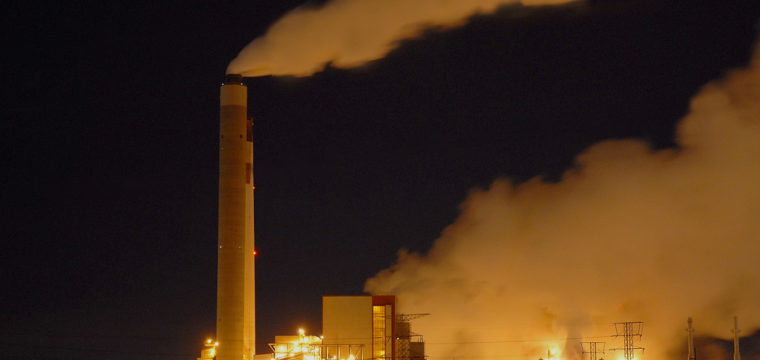
When you do an energy conservation, energy efficiency or renewable energy project, you are helping to combat climate change. That is because the production and burning of fossil fuels emits greenhouse gases. Climate change is caused by an excess of greenhouse gases in the earth’s atmosphere. Greenhouse gases are measured in terms of carbon dioxide equivalent, or CO2e. For example, the combustion of one gallon of gasoline emits almost 20 pounds of CO2e. Anything that you do to reduce the consumption of non-renewable energy reduces CO2e released to the atmosphere.

At Frederick County Government, we are working to reduce our consumption of non-renewable energy. We have set goals through our Comprehensive Energy Plan and have made substantial progress since 2007. Some examples include fuel conservation in our fleet, upgrades of lighting and HVAC systems in our buildings, replacement of street lights with LED technology, installation of a solar hot water heating system on our Adult Detention Center, and landfill gas collection. We recently joined with the Maryland Energy Administration to become a Smart Energy Community and align our policy goals with the state.

Our Office of Sustainability and Environmental Resources coordinates the Green Homes Challenge, with over 1,029 Frederick County households participating. These households participate in actions related to three key challenges; Power Saver, Renewable Star, and Green Leader; to reduce their energy use, invest in alternative energy, and engage in green practices. Through our program and with support from grants since 2012, we have provided 115 energy audits of homes, energy retrofits to 85 homes, and are on track to provide grants to over 70 households in our residential Solarize Frederick initiative (we have over 50
contracts signed at the time of this article). To date, Challenge Takers have saved an estimated 3 million kilowatt-hours of electricity, 13 million gallons of water, 50 thousand gallons of gasoline, $423,712, and 4 thousand tons of CO2e. You can learn more about our programs at sustainablefrederickcounty.org and frederickgreenchallenge.org.

The homes on the tour provide inspiration for projects that you can do in your own home. Many of these projects will also save you money and make your home more comfortable. We can make a difference through our actions.

Filed Under: MGG, MGG-Conservation, MGG-Renewable, MGG-SustainableDesign

Building a Zero Energy Community in Frederick City

RichM December 4, 2012

Building a Zero Energy Community in Frederick City

NEXUS Homes, Bentz Street
Located on a busy street in downtown Frederick, Bentz Street might seem like an unlikely location for some of the most technologically advanced, environmentally conscious housing in the county.  Once you’re inside the model home there’s an immediate quiet, though it might take a few minutes to notice that the cars streaming by outside are nearly inaudible.  Once it’s pointed out you realize how much care has gone into the construction of these homes.

Every home follows strict net zero energy standards.  Under normal conditions, each house will produce as much energy as it uses in a year.  This includes heating and air conditioning.  This is achieved through a combination of super insulation, tight building envelope using SIP’s, photovoltaic panels, geothermal heating and cooling, and a duct system that is sealed at every single joint with a caulk-like substance.  No duct-tape in this house!

The innovative TRV (Total Recovery Ventilation) allows all Nexus Homes to operate at peak efficiency during either summer or winter and lower ventilation load by up to 90%.

TRV dynamically mixes the incoming and outgoing air to lessen the heating load on the house.  It also reduces humidity by offloading water molecules to a separate exhaust system.

Most interesting, however, is the suite of electronic monitoring systems available for homeowners.  These include “house of the future” style touches like remote control over lights in the house, remote access to security cameras and text message alerts about whether doors are locked or whether the doorbell has just been pressed.  You can monitor energy usage, produce reports and graphs that let you see your usage over time to develop strategies to get you closer to the net zero ideal.

Nexus Vision software puts all the information you need in your hands.  Nexus Energy Homes each come with an iPad and a custom app to allow control over your thermostat and other Nexus Vision features.  Nexus Vision can also be accessed via a desktop or laptop PC from any location.

All these technologies have existed for a while, but Nexus Homes is the first company to devote the time and energy to research and develop ways to combine them in a user friendly, maximally efficient design.

Filed Under: MGG, MGG-Conservation, MGG-GreenTechnology, MGG-Renewable, MGG-SustainableDesign

  • « Previous Page
  • 1
  • …
  • 6
  • 7
  • 8
  • 9
  • 10
  • …
  • 13
  • Next Page »

Friends +

Turtle Point Driftwood: Sculptures created by Larry Ringgold.

DSIRE: Database of incentives for renewable energy.

EVA-DC: Local electric vehicle association. Learn all things EV.

Virtuallinda: Marketing and brand identity professional.

Tiny House Expo: Planning to build, this event is for you.

Refugee Welcoming Coalition: Resettling refugees in Frederick.

The Sun Today: Alex Young, Ph.D. is a Solar Astrophysicist at NASA.

EERE: The DOE office that invests in clean energy technologies.

Neville Williams: Solar pioneer, author, lifelong adventurer.

Copyright © 2026 · Streamline Pro Theme on Genesis Framework · WordPress · Log in